


What is Phishing?
It's more than just a scam, it's a digital trap. Curious how it works? Dive into our About page to uncover real tactics, examples, and how to stay safe.
Learn MoreIt's more than just a scam, it's a digital trap. Curious how it works? Dive into our About page to uncover real tactics, examples, and how to stay safe.
Learn MoreThink all phishing looks the same? Think again. From fake logins to personalized traps, explore them all on our About page before you become the next target.
Learn MoreCybercriminals don't target you randomly - your data is valuable to them for specific reasons. Here's what they're after:
Direct access to your bank accounts, credit cards, or digital wallets allows them to steal money directly or make unauthorized purchases.
With your personal details, they can open new accounts, take out loans, or commit crimes in your name, leaving you to deal with the consequences.
They may encrypt your files and demand payment for their release, or threaten to leak sensitive information unless you pay up.
Your credentials can provide a gateway to your workplace or social networks, allowing them to target more valuable systems and people.
If you work for a company, your access could be worth millions in stolen intellectual property or competitive intelligence.
Stolen credentials and personal data are commodities on the dark web, often sold in bulk to other criminals.
Learn how to spot phishing attempts and protect yourself. Limited seats available!
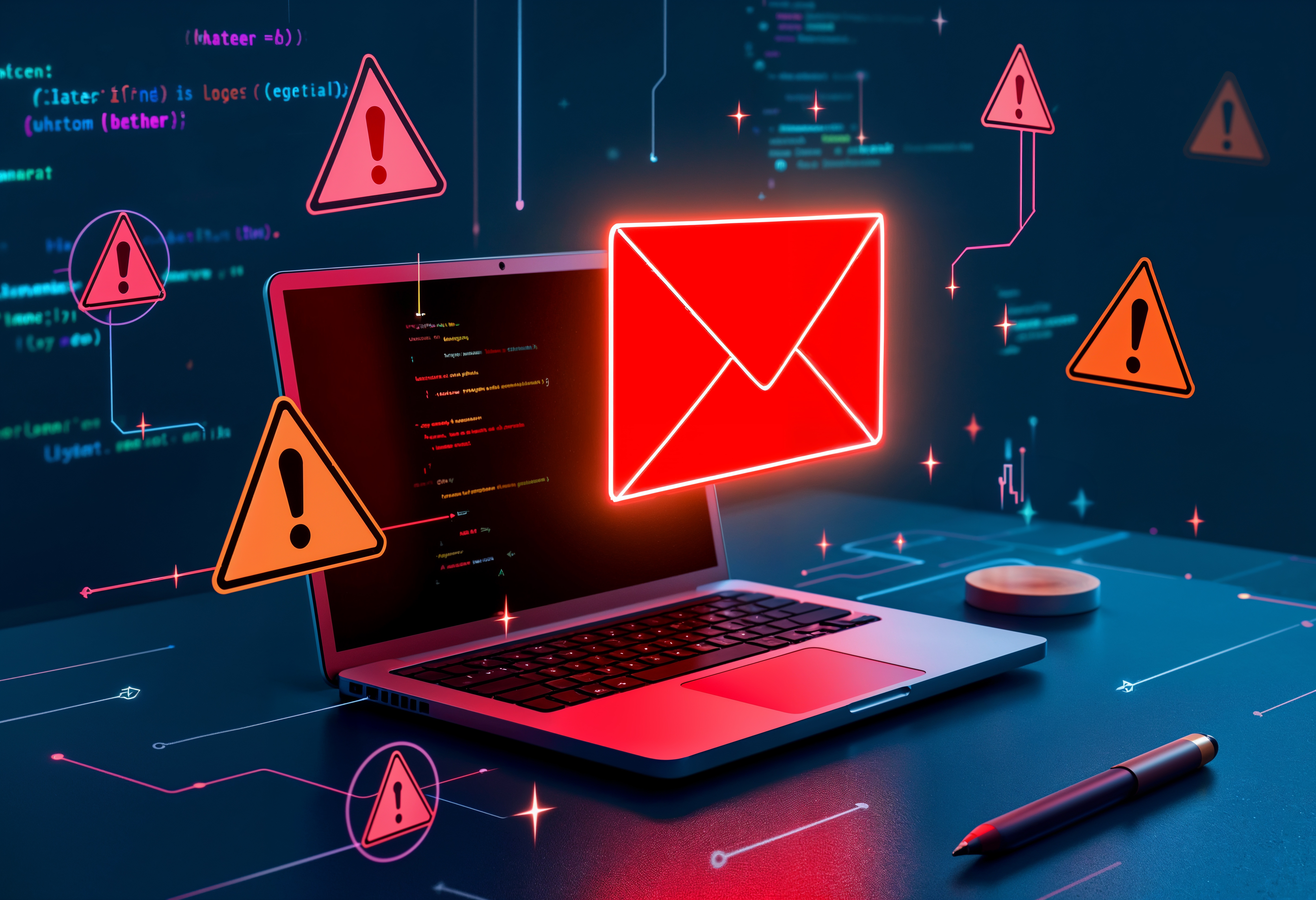
Fake emails pretending to be from legitimate sources

Targeted attacks with personalized information
Phishing attacks via SMS/text messages
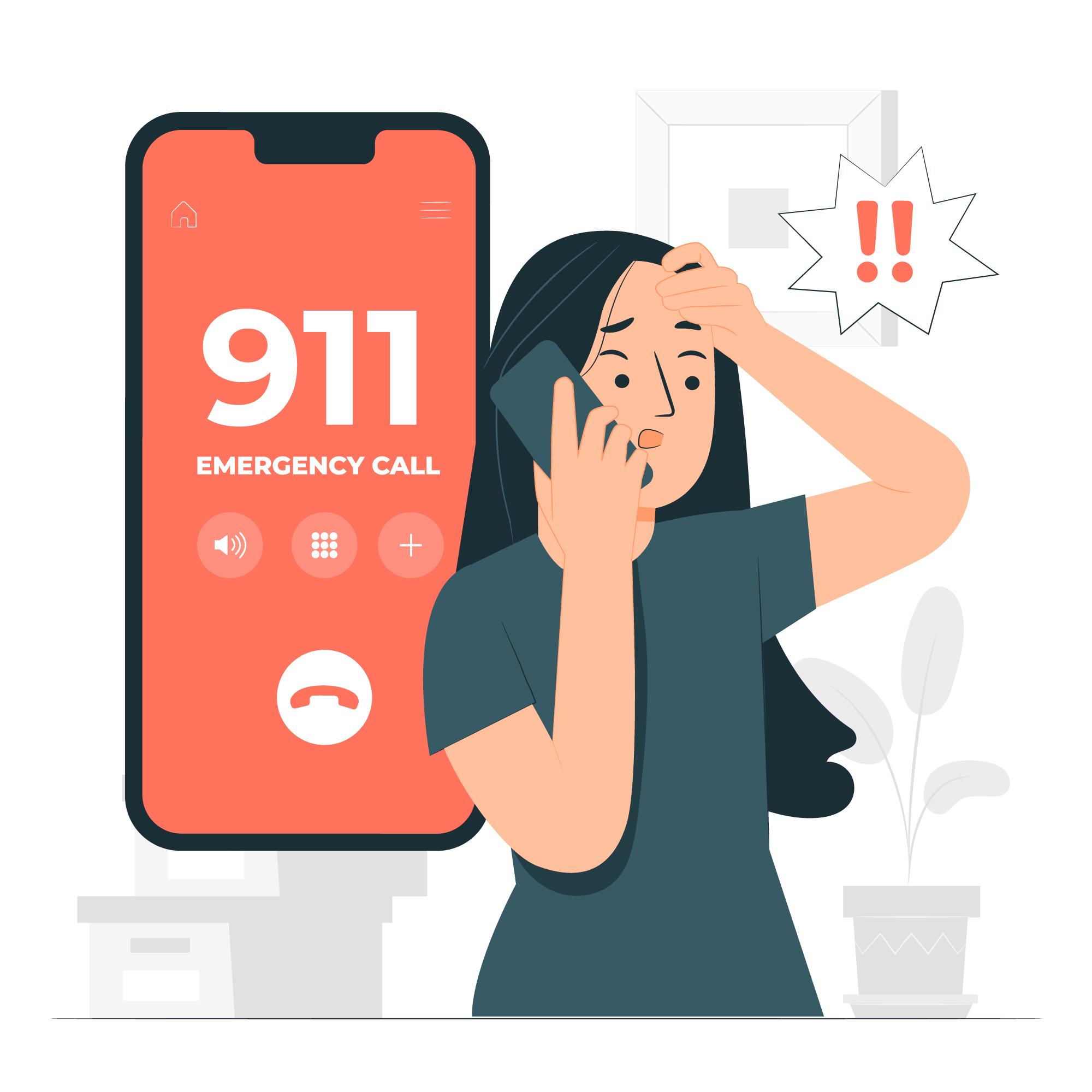
Voice phishing through phone calls
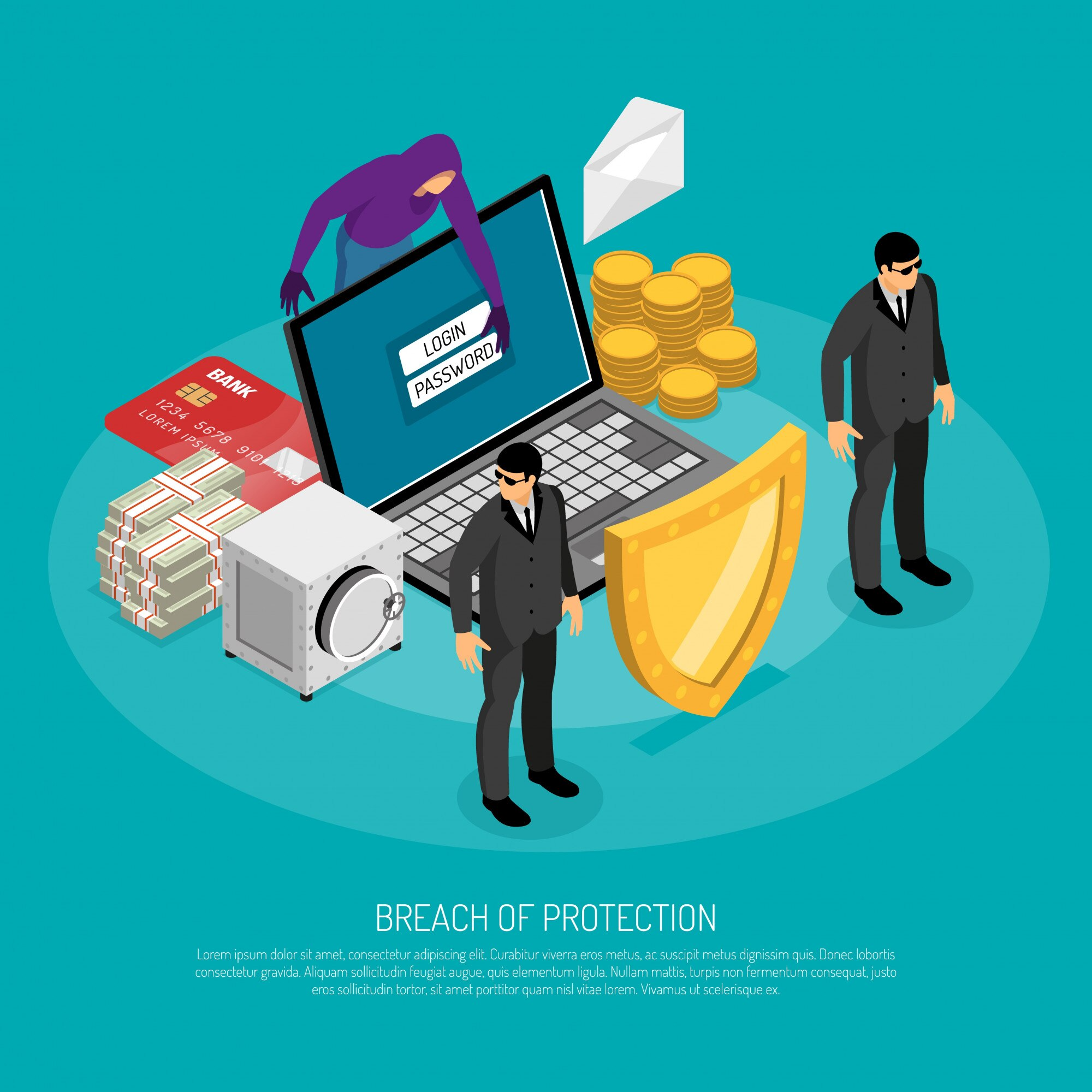
Targeted attacks against high-profile individuals
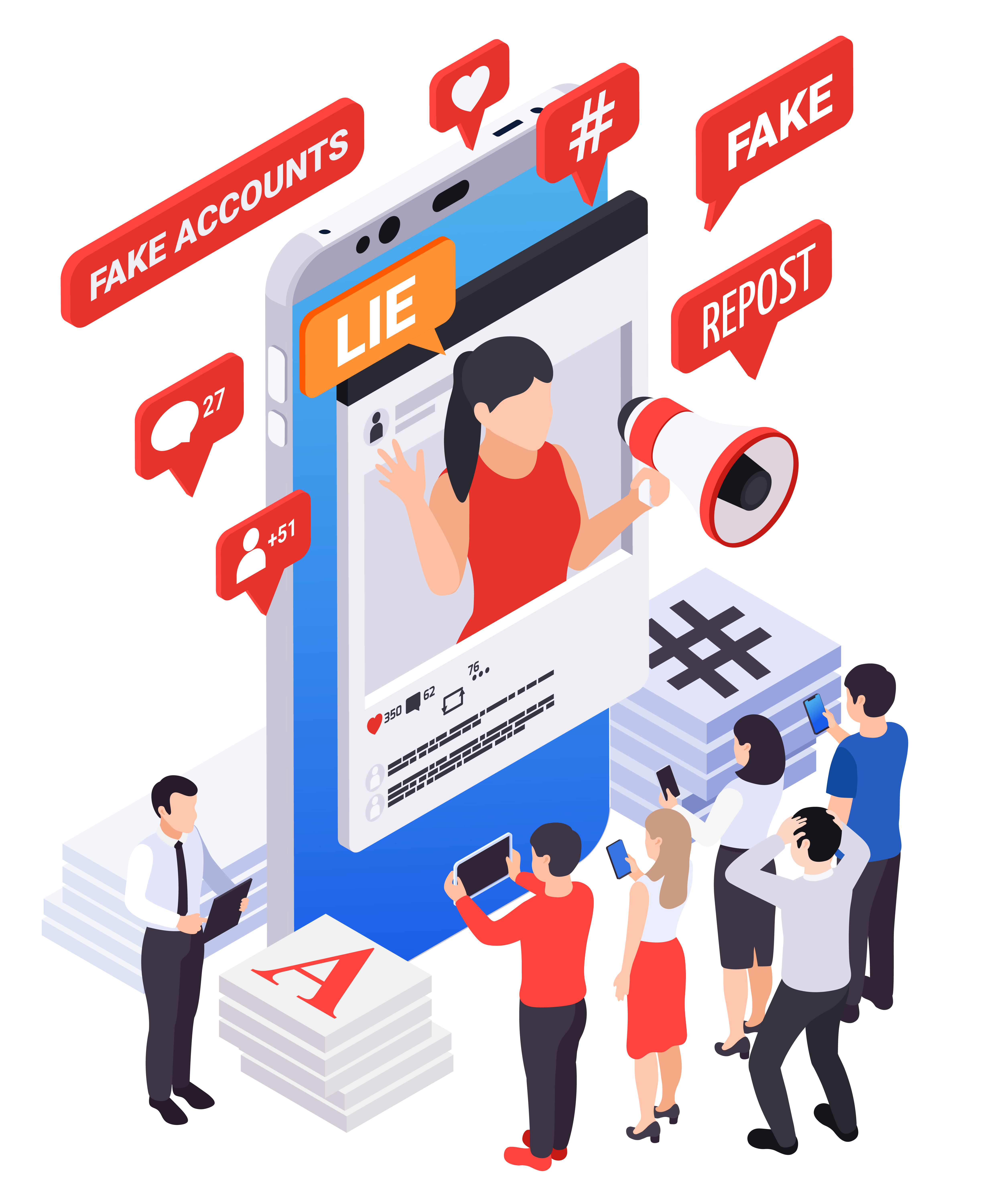
Social media-based phishing attacks
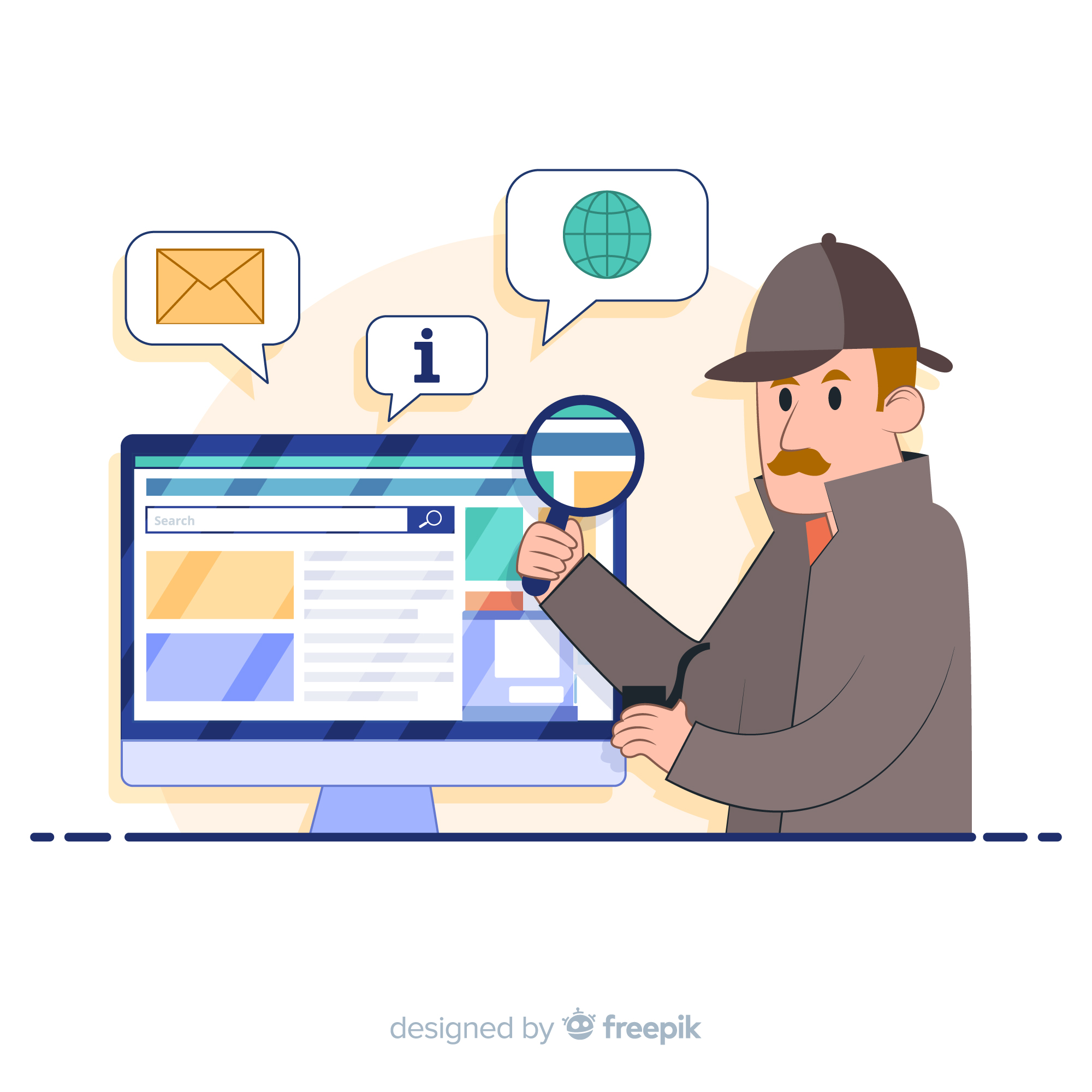
Redirecting users to fake websites
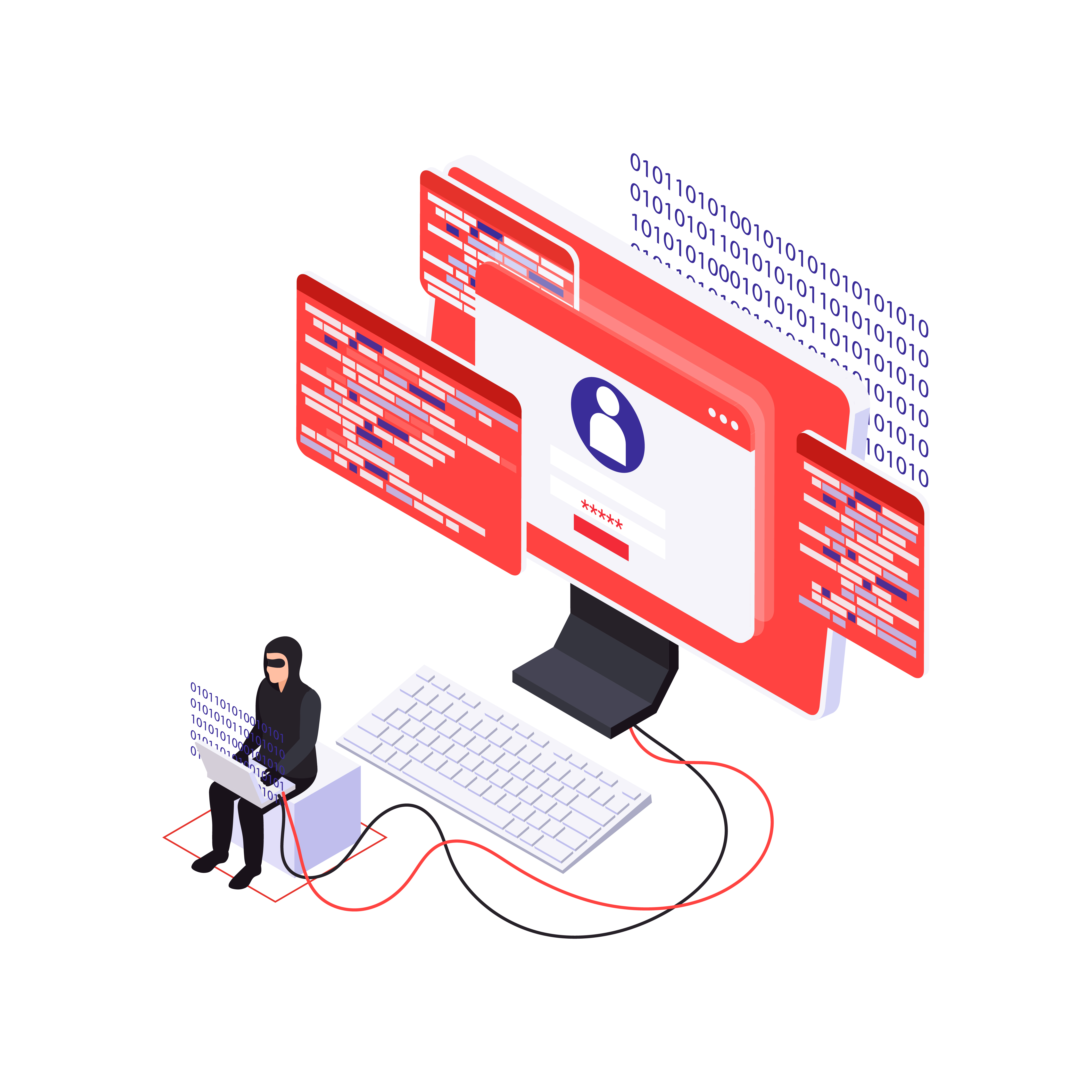
Compromising frequently visited websites
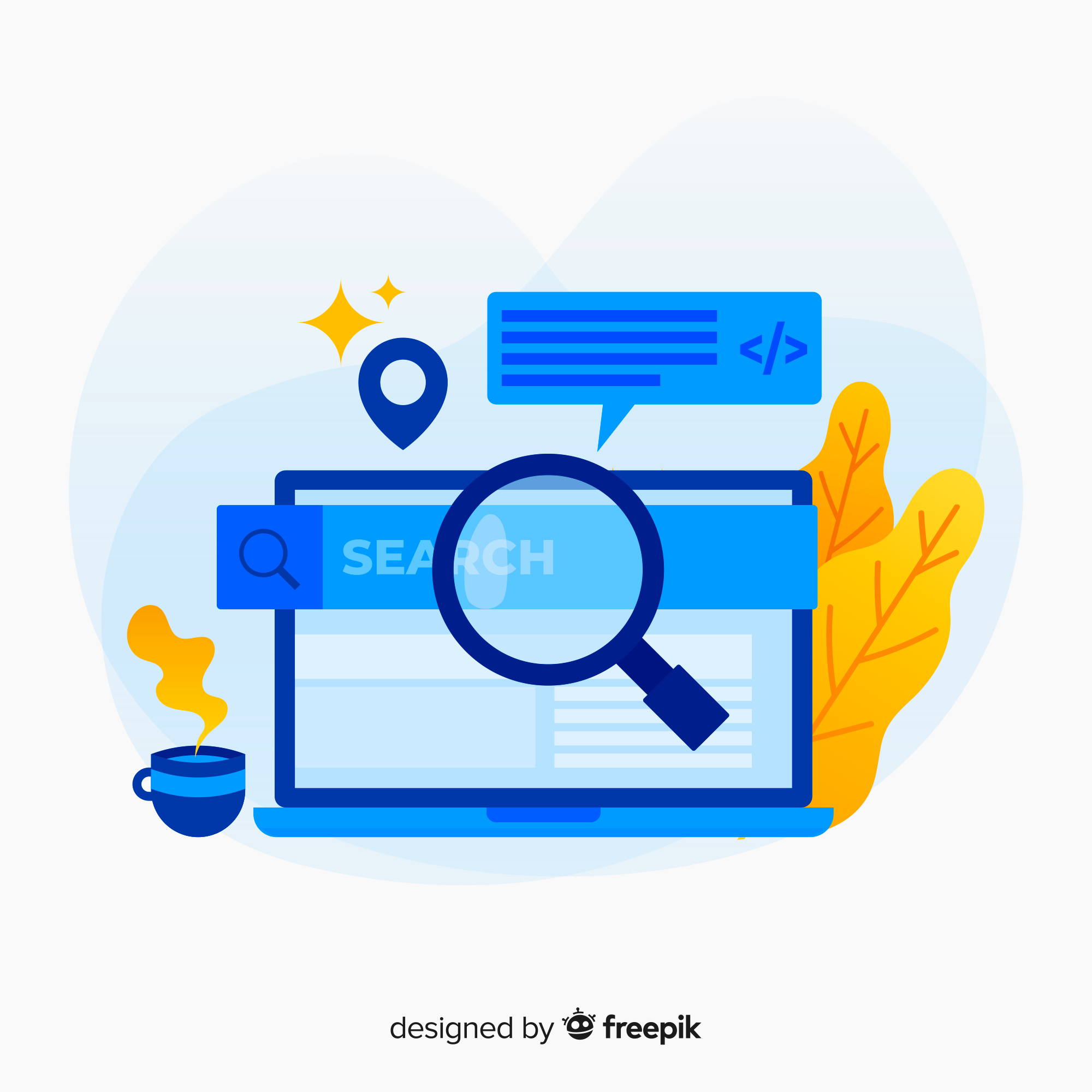
Fake websites appearing in search results